The Invisible Cost in Garden Design
A garden is not simply built. It is considered carefully, shaped gradually and allowed to evolve over time. When decisions are made too quickly the result can feel disconnected from how the space is actually used and experienced.
Taking time at the beginning of a project often prevents costly changes later and allows the garden to develop into something that truly fits both the house and the people who live there.
Garden Design Begins with Thought
Before any paving is laid or planting begins, a garden starts with a series of decisions.
How will the space be used
Where will people sit
How does the garden connect to the house
What atmosphere should the planting create
These questions rarely have instant answers.
A thoughtful design process allows ideas to develop naturally. It considers the architecture of the house, the surrounding landscape and how the garden will feel throughout the seasons.
Allowing time for these conversations often leads to better decisions and a garden that feels calm, cohesive and purposeful.
The Cost of Rushing Decisions
When a garden project moves too quickly, attention often turns to the visible elements first.
Paving is chosen.
Walls are built.
Paths are laid out.
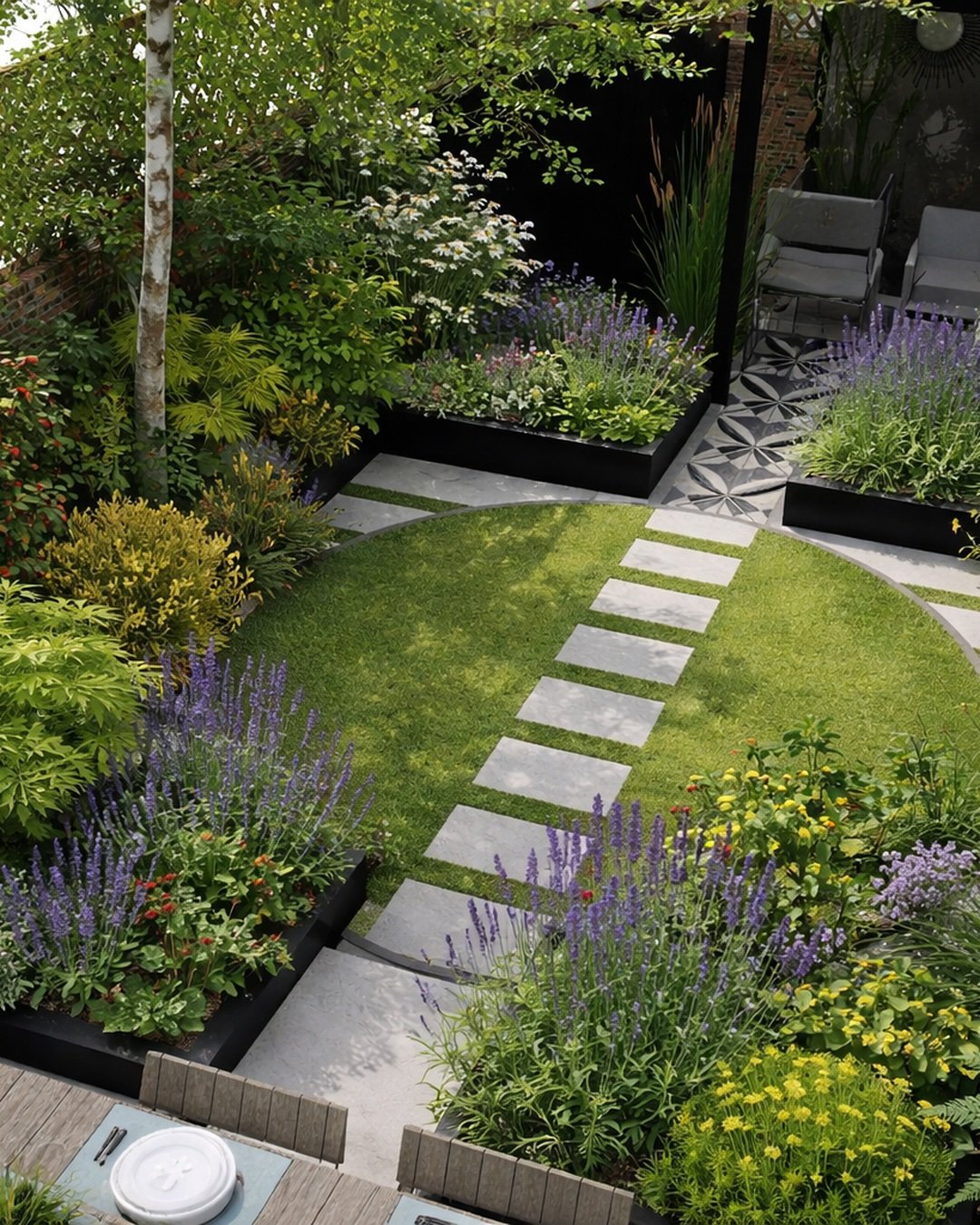
These elements are important, but without an overall design guiding them the space can begin to feel disjointed.
Paths may not lead naturally through the garden.
Planting areas can feel like an afterthought.
Seating spaces may not capture the best views or light.
Correcting these decisions later often means reworking parts of the garden that have already been built. In many cases the cost of altering the space can exceed what thoughtful planning would have required in the first place.
Good Design Prevents Unnecessary Cost
Thoughtful garden design is not about adding expense. Often it does the opposite.
A clear design provides a framework for the entire project. It helps determine where investment will have the greatest impact and where simplicity will create a better balance.
It also allows the garden to be developed gradually if needed. With a well considered plan in place, different parts of the garden can be completed over time without losing the overall vision.
Rather than reacting to problems as they appear, the design quietly resolves them before they happen.
Allowing the Garden to Settle
Gardens are living spaces and even the most carefully designed garden continues to change as plants grow and mature.
Planting schemes are created with growth in mind. Trees and shrubs slowly establish the structure of the space while seasonal planting adds movement and variation throughout the year.
Allowing time for this natural process is part of creating a garden that feels settled and enduring.
A garden rarely appears overnight. It develops gradually and often becomes more beautiful with each passing season.
Beginning the Process
If you are thinking about redesigning your garden, the first step is rarely construction.
It begins with conversation.
Understanding how the space is used, exploring possibilities and allowing ideas to develop thoughtfully often leads to the most successful gardens.
A garden that has been carefully considered rarely feels rushed. Instead it feels as though it has always belonged to the space.
And often, avoiding the invisible cost of hurried decisions is what allows a garden to truly succeed.
You may also like…