Why Garden Transformations Cost More Than Most People Expect
When people begin planning a new garden, the focus is often on the finished result.
Beautiful paving warmed by afternoon light. Thoughtfully layered planting. Spaces for entertaining, relaxing and spending time outdoors throughout the seasons. A garden that feels calm, cohesive and deeply connected to the home.
What is often less visible, however, is the level of planning, craftsmanship and preparation required to bring these spaces to life.
Many professionally designed gardens appear effortless once complete, yet behind that simplicity sits a significant amount of careful decision making long before the first plants are placed or paving is laid.
MUCH OF THE INVESTMENT HAPPENS BENEATH THE SURFACE
One of the biggest surprises for many homeowners is how much of a garden transformation happens underground.
Before the visible elements of a garden begin to take shape, extensive groundwork is often required to ensure the space performs well over time. Excavation, drainage, foundations and ground preparation all form an important part of creating a garden that not only looks beautiful when first completed, but continues to feel stable and well constructed for years to come.
These hidden layers may never actually be seen once the project is finished, yet they are often what quietly determine the longevity and quality of the entire garden.
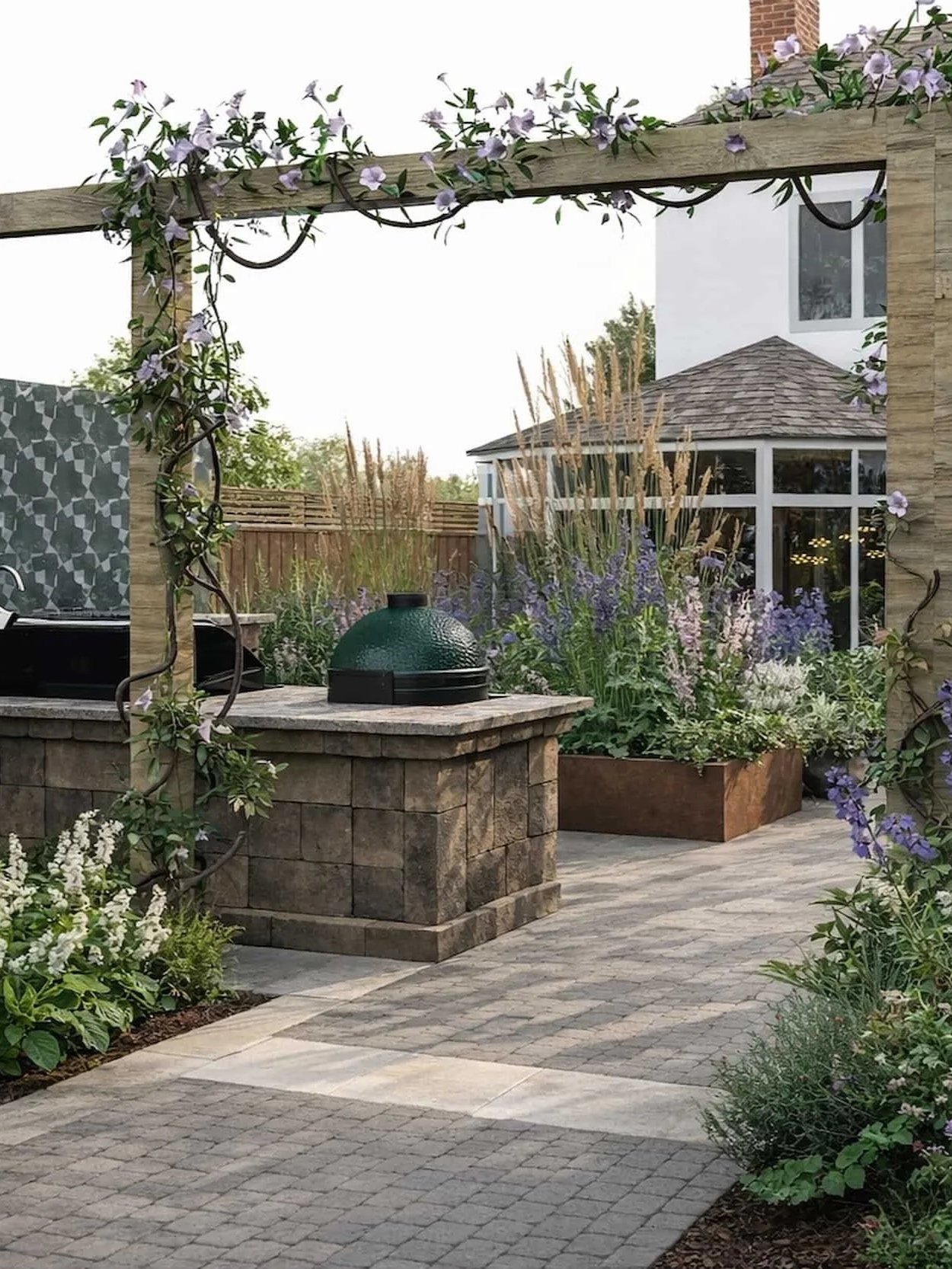
As outdoor living becomes increasingly integrated into everyday life, many gardens now also require substantial infrastructure beneath the surface. Lighting, irrigation, outdoor kitchens, pergolas, hot tubs and garden rooms can all involve carefully planned electrical and drainage systems long before the finishing details are installed.
MATERIALS AND DETAILING SHAPE THE OVERALL FEEL OF A GARDEN
Material choices can have a significant influence on both the appearance and overall investment of a garden transformation.
Natural stone, premium porcelain, clay pavers, bespoke edging and carefully selected aggregates all contribute to how a space ultimately feels to experience and how beautifully it ages over time.
At the same time, seemingly simple design features often require an extraordinary level of craftsmanship during construction. Sweeping curves, level changes and refined paving layouts may appear calm and understated once complete, but achieving that sense of ease often involves detailed setting out, precise installation and a considerable amount of skilled labour behind the scenes.
In many ways, the quieter and more natural a garden feels, the more carefully considered the detailing behind it often is.
PLANTING PLAYS AN ESSENTIAL ROLE
Planting is often one of the elements that gives a garden its atmosphere and softness.
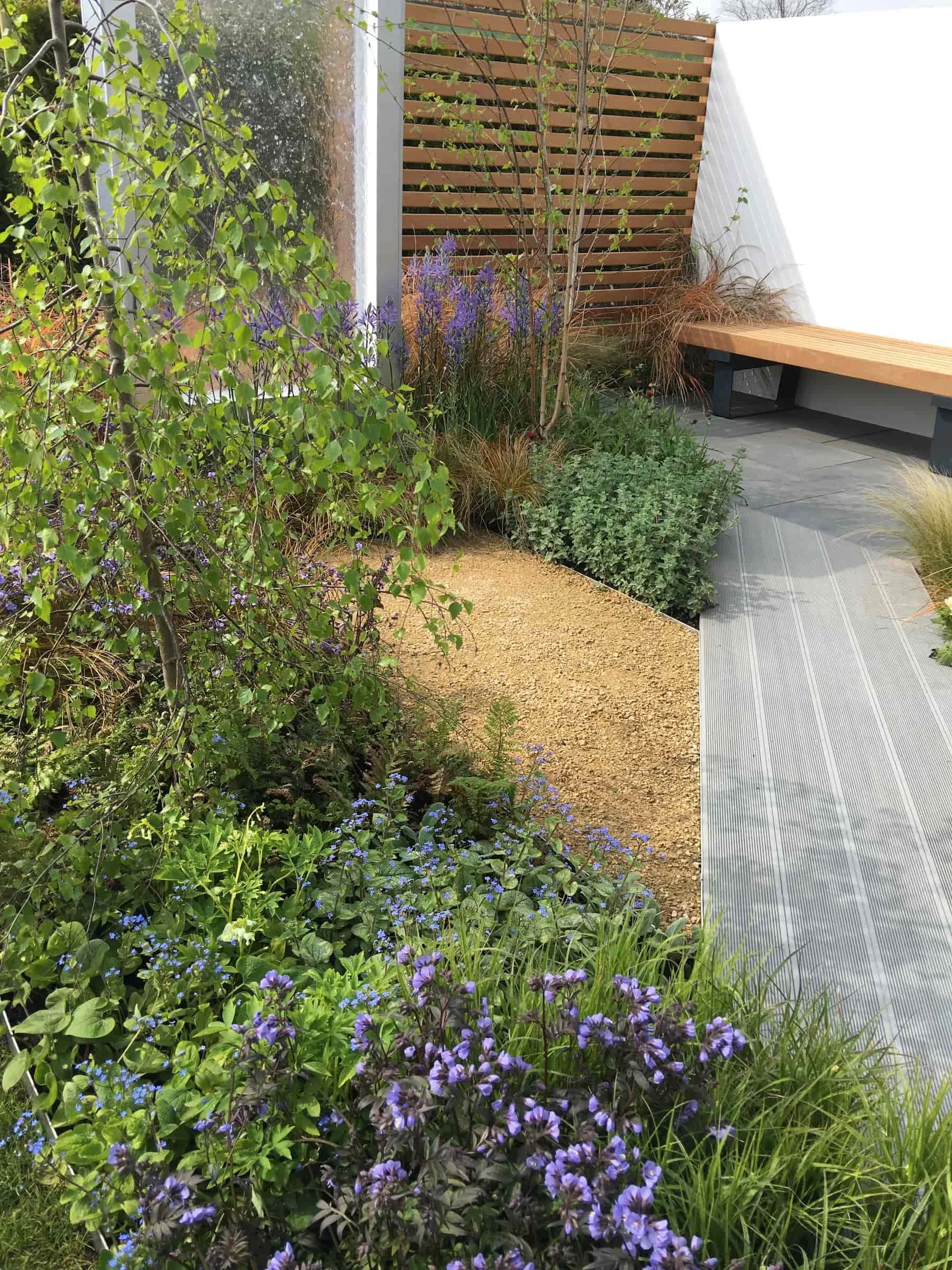
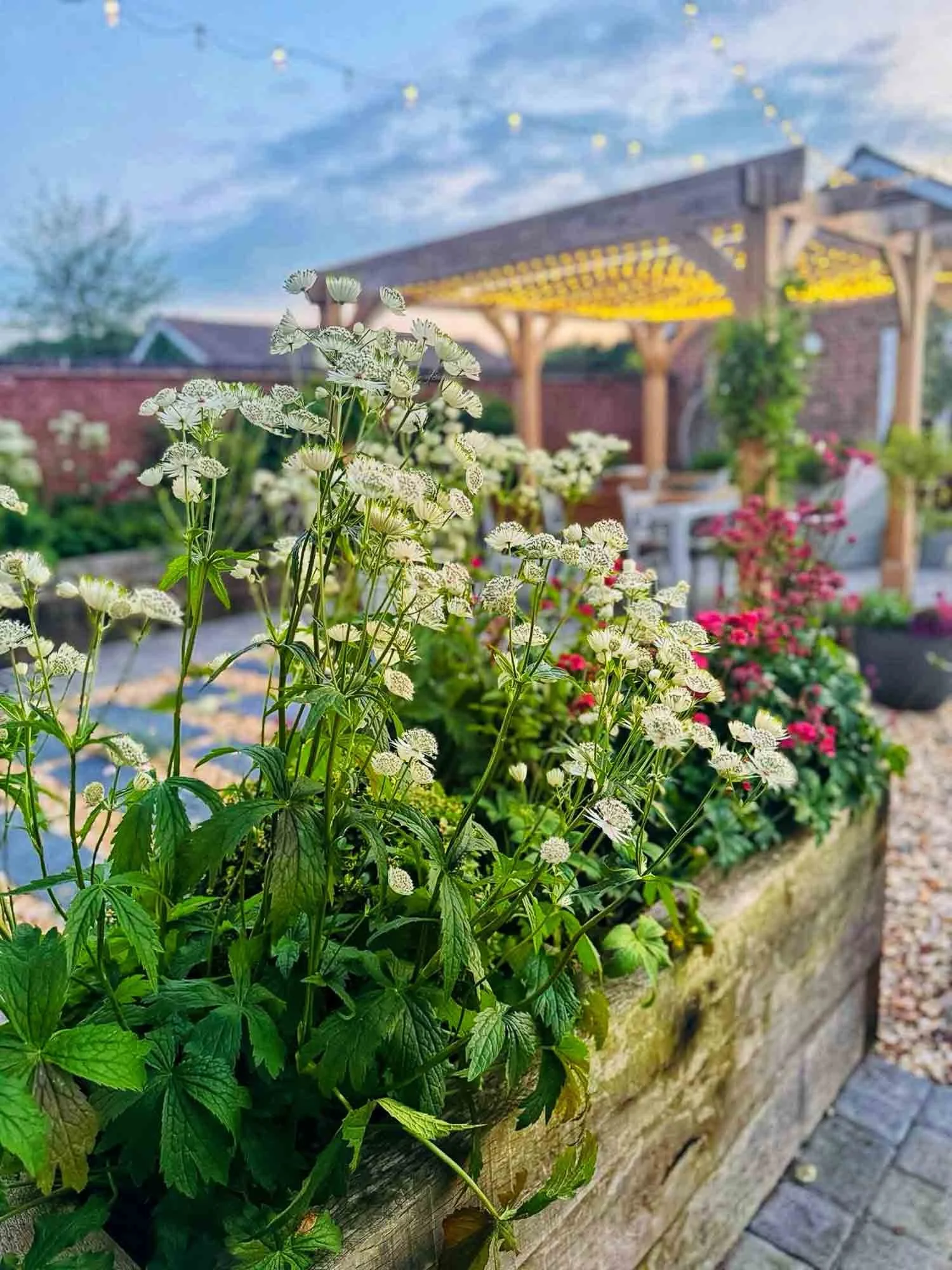
It introduces movement, texture and seasonal change whilst helping connect the house to the surrounding landscape. A thoughtfully layered planting scheme allows a garden to evolve beautifully throughout the year, bringing moments of colour, structure and interest across different seasons.
However, successful planting design involves far more than simply selecting attractive plants individually.
Soil conditions, aspect, drainage and long-term growth all need to be carefully considered to ensure the planting establishes successfully and matures cohesively over time. Structure, texture and maintenance requirements must work together in balance so the garden continues to feel timeless rather than overcrowded or disconnected as it develops.
The maturity and scale of planting selected can also significantly influence overall project costs, particularly when larger specimen plants are used to create immediate impact and structure within a newly completed garden.
GARDENS ARE NOW EXTENSIONS OF THE HOME
Gardens today are increasingly being designed as true extensions of the home.
Outdoor kitchens, pergolas, saunas, fire pits and entertaining spaces are becoming part of everyday outdoor living, allowing gardens to be used in a far more immersive and meaningful way throughout the year.
As these spaces become more integrated into modern life, the level of construction, infrastructure and craftsmanship required to support them naturally becomes more substantial as well.
This is often why landscaping costs can feel surprising initially. A professionally designed garden is rarely just about the visible surface finishes alone. Much of the value lies in the careful planning, hidden preparation and long-term thinking that allows the space to function beautifully over time.
THOUGHTFUL GARDEN DESIGN HELPS GUIDE THE INVESTMENT
A clear and well considered garden design provides structure and direction for the entire project.
It helps ensure the layout feels balanced and cohesive whilst allowing landscaping and planting to work together harmoniously. It can also help avoid costly changes later during construction by resolving important decisions early within the design process.
Many larger garden projects are also completed in phases over time. A thoughtful masterplan allows the garden to evolve gradually whilst still ensuring the overall space remains connected and cohesive as future elements are introduced.
garden design in solihull & warwickshire
At Carly Tong Garden Design, each project begins with understanding how the garden will be used and how it should feel throughout the seasons.
Across Solihull, Warwickshire and the surrounding West Midlands, gardens are increasingly becoming extensions of the home. Spaces for relaxing, entertaining and reconnecting with nature throughout the year.
The most successful gardens are rarely created through construction alone.
They are shaped through thoughtful planning, careful refinement and planting-led design.
Because a garden should not only look beautiful when first completed.
It should continue to grow, soften and improve over time.
beginning the garden design process
If you are considering redesigning your garden, the process begins with understanding how you want to use the space and how it can evolve over time.A considered design ensures that every decision has purpose by creating a garden that feels calm, connected and lasting.
You may also like…